

Robotic Spinal Decompression (RSD): What to Know Before Your Physiotherapy Session
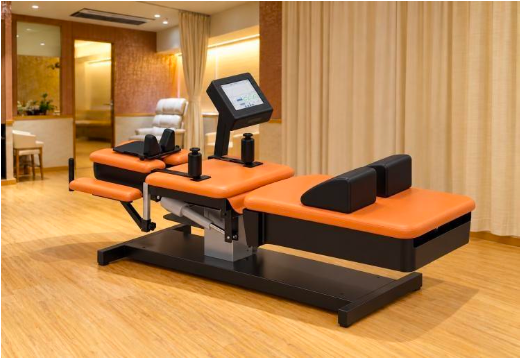
Back discomfort can make everyday activities harder, and it is natural to want to understand the treatment options available. Robotic Spinal Decompression, often shortened to RSD in physiotherapy settings, uses a motorised treatment table under professional supervision.
The equipment is only one part of care. A physiotherapist first considers your symptoms, health history, movement and goals, then discusses suitable options with you. RSD is not appropriate for everyone and should not be presented as a guaranteed solution.
This guide explains what RSD generally involves, what an appointment may look like and the questions you can ask your physiotherapist before beginning.
Terminology note: In this article, RSD means Robotic Spinal Decompression. The abbreviation can mean other things in medical contexts, so confirm the intended meaning with your clinician.
What Is Robotic Spinal Decompression?
Robotic Spinal Decompression is a non-surgical, machine-assisted physiotherapy technique. Depending on the system, a motorised table and adjustable supports are used to apply a planned pulling force to a selected spinal area while a clinician supervises the session.
RSD systems and protocols are not identical. The equipment, positioning and settings may differ, and the physiotherapist should explain what the specific system is designed to do before treatment begins.
How Does RSD Fit Into a Physiotherapy Plan?
An RSD machine does not diagnose the cause of pain. A physiotherapist assesses your history, symptoms, movement and functional goals, then decides whether machine-assisted treatment is suitable or whether another approach is more appropriate.
If RSD is considered, it may be discussed alongside other parts of care, such as education, graded exercise or other physiotherapy techniques. The plan should be individualised and reviewed based on how you respond, rather than relying on a machine alone.
What Are Realistic Expectations?
Evidence for traction-style treatments is mixed, and no device can promise the same result for every person. A systematic review comparing mechanical traction with spinal decompression did not find a significant difference in pain or disability outcomes between the approaches, while noting that the evidence base was limited.
NICE guidance says not to offer traction for managing low back pain with or without sciatica. RSD systems and protocols can differ, so ask your physiotherapist how the specific treatment being proposed relates to your assessment, what evidence supports it, and what alternatives are available. The decision should be individualised and based on an informed discussion, not on a promise of results. [1, 2]
What Happens During an RSD Appointment?
The exact process depends on the equipment and your assessment. A visit may include:
- Assessment and discussion: Explain your symptoms, relevant health history and what you hope to return to doing.
- Plan and consent: Your physiotherapist explains the proposed approach, alternatives and what you may feel.
- Positioning: If appropriate, you are positioned on the treatment table and supports or straps are adjusted.
- Supervised treatment: The clinician sets the session according to the plan and checks in with you during treatment.
- Review: You discuss how you felt and the next steps in your wider rehabilitation plan.
You should be able to ask questions at every stage. Tell the physiotherapist promptly if you feel uncomfortable, notice new symptoms or want the session paused.
What Might the Session Feel Like?
People may describe a gentle pulling or stretching sensation, but experiences vary. The treatment should be explained before it starts, and you should communicate throughout rather than trying to tolerate pain or discomfort in silence.
Do not compare your settings or session length with another person’s. Treatment decisions depend on clinical assessment, the equipment available and the clinician’s judgement.
Who May Be Considered for RSD?
A physiotherapist may discuss RSD with some people experiencing spinal symptoms after assessing their individual presentation. Having back pain, a scan finding or a particular diagnosis does not automatically mean decompression is needed.
A good appointment includes questions about your symptoms and function, an explanation of the options, and a clear way to review whether the plan is helping. If you are unsure, ask about exercise-based care or other appropriate alternatives.
When Should You Seek Urgent Medical Help?
Do not wait for a routine physiotherapy session if you have severe or worsening weakness or numbness in both legs, numbness around your genitals or bottom, or new problems starting or controlling urination or bowel movements. These symptoms need urgent medical assessment. [3]
How Should You Prepare?
- Wear comfortable clothing and bring any relevant reports or treatment information you alreadyhave.
- Tell the physiotherapist about previous surgery, health conditions, medication and changes insymptoms.
- Ask what the treatment is intended to address, what alternatives are available and howprogress will be measured.
- Speak up if a position or sensation feels uncomfortable during the session.
A Physiotherapy Session at Samyah Wellness
Physiotherapy at Samyah Wellness is described as assessment-led and tailored to the person, with care across injury rehabilitation, sports and orthopaedic physiotherapy, post-surgical rehabilitation, pain management and mobility work. The appropriate plan depends on the clinical assessment.
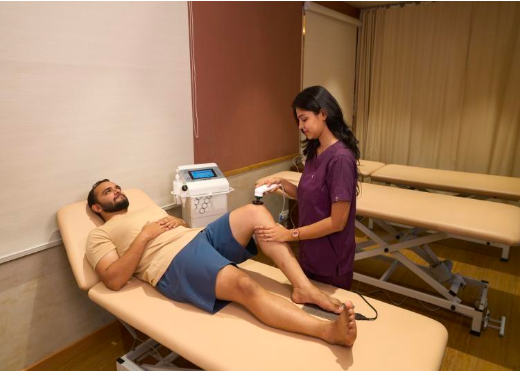
RSD at Samyah Wellness, Borivali West
At Samyah Wellness, the physiotherapy team describes its approach as combining clinical precision with individual attention. A physiotherapist can assess your concerns and discuss an appropriate recovery plan; a specific machine-based treatment is used only when the clinician considers it suitable.
To ask about physiotherapy or book an assessment, contact Samyah Wellness at Friends Business Bay, above Malabar Gold, L.T. Road, Borivali West, Mumbai. View Physiotherapy & Rehabilitation.
Frequently Asked Questions
No. Robotic Spinal Decompression is a machine-assisted physiotherapy technique. Your physiotherapist should explain the equipment and the proposed approach before a session.
No. It is not suitable or necessary for everyone. A physiotherapist should assess your symptoms and discuss the evidence, alternatives and expected goals.
It should not be presented as a stand-alone cure. If a clinician recommends RSD, ask how it fits into the rest of your rehabilitation plan and how progress will be reviewed.
The physiotherapy page says a referral is not necessarily required; you can enquire about an initial assessment directly with the team.
Tell the physiotherapist immediately. You can ask to pause while they check your position and symptoms.



1 Comment
Evan Prince
Your writing style is so relatable and authentic It’s a breath of fresh air in a world filled with superficiality and pretense