Relaxation Massage vs Deep Tissue Massage: Which One Does Your Body Need?
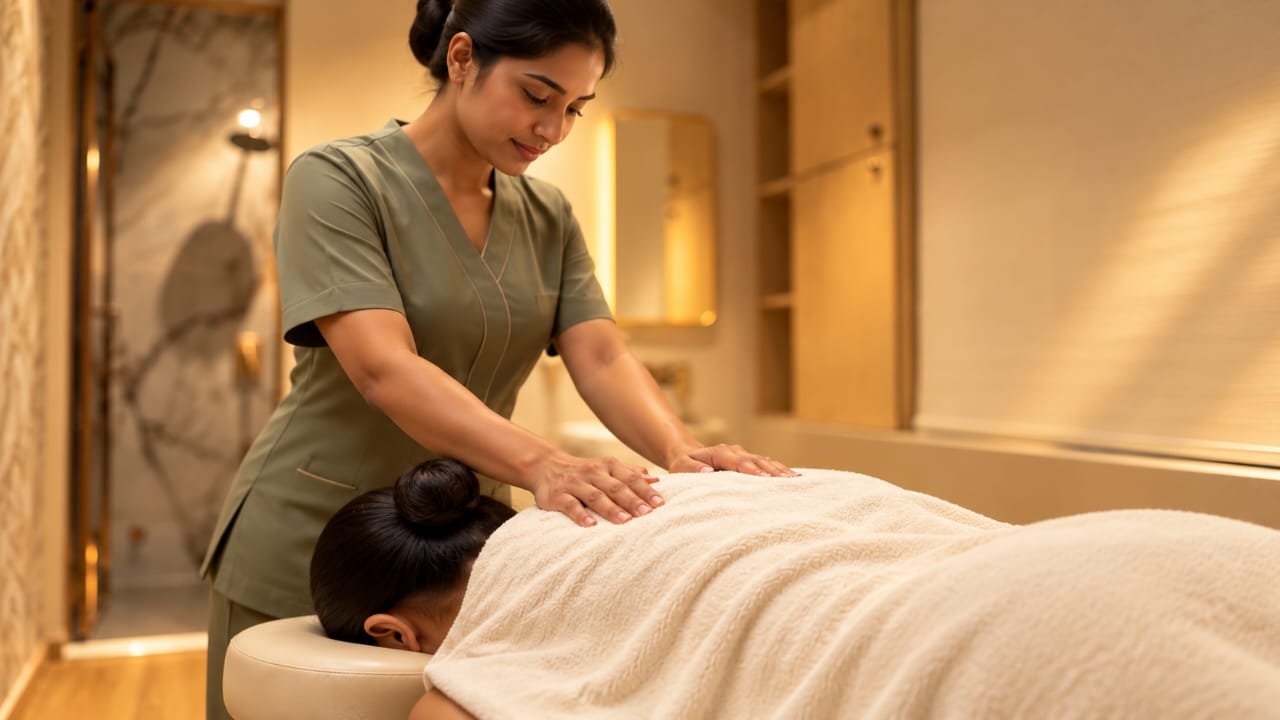
Massage is often associated with relaxation, but not every massage has the same purpose. Some people want to slow down after a stressful week, while others are looking for focused work on tight or overused muscles.
This is where the difference between a relaxation massage and a deep tissue massage becomes important. Choosing the right one depends on how your body feels, your comfort with pressure and the outcome you expect from the session.
What Is a Relaxation Massage?
A relaxation massage generally uses gentle to moderate pressure with smooth, rhythmic movements. Its primary purpose is to create a calming experience while working on general muscular tension.
It may be suitable if you:
- Feel mentally or physically tired
- Spend long hours sitting or working
- Experience general muscular tightness
- Prefer lighter or moderate pressure
- Are new to massage
- Want to relax without intensive muscle work
The session is usually full-body unless you request greater attention on particular areas.
Massage may support relaxation and temporarily reduce muscle stiffness, tension and stress. However, individual experiences differ, and massage should not be described as a cure for medical conditions.
What Is Deep Tissue Massage?
Deep tissue massage uses slower movements and more focused pressure to work on deeper layers of muscle and connective tissue.
It may be considered by people who experience:
- Persistent muscular tightness
- Stiffness after regular training
- Overworked shoulders, back or legs
- Localised muscular tension
- Repetitive strain from work or physical activity
- A preference for stronger pressure
Despite the name, deeper pressure should not mean uncontrolled or unbearable pain. The therapist should work progressively and adjust the pressure according to your feedback.
Deep tissue massage may sometimes cause temporary soreness because more focused pressure is applied to specific muscle groups.
Which Massage Should You Choose?
Choose a relaxation massage when your priority is to slow down, feel comfortable and release general tension.
Choose a deep tissue massage when you want more focused attention on tight or heavily used muscles and are comfortable with firmer pressure.
If you are unsure, explain the following before your session:
- Where you feel tension or discomfort
- Whether the discomfort is recent or persistent
- Your preferred pressure level
- Your exercise and working routine
- Any injuries, operations or medical conditions
- Whether you are taking blood-thinning medication
Your therapist can then recommend an appropriate pressure level and focus area.
Is More Pressure Always Better?
No. A massage does not become more effective simply because it is more painful.
Some people enjoy firm pressure, while others respond better to gentler techniques. Excessive pressure can cause discomfort, bruising or increased soreness, particularly if the body is already inflamed or injured.
A useful massage should feel controlled and purposeful. You should always be able to ask the therapist to reduce or change the pressure.
Can Massage Replace Physiotherapy?
Massage and physiotherapy serve different purposes.
Massage may help you relax and may provide short-term relief from muscular tightness or certain types of discomfort. Evidence suggests that massage may help some kinds of pain, but the benefits are often short-term and the overall research quality varies.
Physiotherapy involves clinical assessment, diagnosis, movement evaluation and a structured rehabilitation plan. If you have an injury, persistent pain, weakness, numbness, reduced mobility or pain that repeatedly returns, a physiotherapy consultation may be more appropriate.
At an integrated wellness centre, massage and physiotherapy can complement each other when recommended appropriately, but one should not automatically replace the other.
Who Should Avoid or Modify Massage?
Speak to your doctor and inform the therapist before booking if you have:
- A recent operation or fracture
- An active infection or fever
- Open wounds, burns or contagious skin conditions
- A known or suspected blood clot
- A bleeding disorder or tendency to bruise easily
- Severe osteoporosis
- Uncontrolled blood pressure
- Cancer or ongoing medical treatment
- Pregnancy
- Recently received injections or undergone a medical procedure
- Blood-thinning medication
Massage should not be performed directly over an acute injury, unexplained swelling, an inflamed area or a suspected blood clot. Firm deep tissue work may be unsuitable for people taking blood thinners because of the increased risk of bruising or bleeding.
What to Expect After Your Massage
After a relaxation massage, you may feel calm, sleepy or less tense.
After a deep tissue massage, mild temporary soreness may occur. Drink sufficient water, avoid an unnecessarily intense workout immediately afterwards and observe how your body responds.
Severe pain, significant bruising, weakness, numbness or worsening symptoms are not normal outcomes and should be medically evaluated.
Massage at Samyah Wellness
At Samyah Wellness, massage sessions are provided in a private, appointment-only setting. Before beginning, the therapist understands your pressure preference, areas of concern and relevant medical history.
We offer:
- 60-minute massage
- 75-minute massage
- 75-minute deep tissue massage
For client comfort and privacy, Samyah Wellness follows a same-gender massage policy. Couples may book back-to-back sessions, as one client is attended to at a time.
To book a massage at Samyah Wellness in Borivali West, call 9222 132 132. Prior appointment and a minimum 50% advance are required.
Frequently Asked Questions
You may feel firm pressure or temporary tenderness, but it should not feel unbearable. Tell the therapist immediately if the pressure is painful.
A relaxation massage is generally more suitable when your main goal is calming the body and mind.
It depends on your training, recovery and current soreness. Deep pressure is not always appropriate immediately after a very intense workout or acute muscle strain.
If the pain is mild muscular tension, massage may provide temporary comfort. Persistent, severe or radiating pain should be assessed by a physiotherapist or doctor first.
Wear comfortable clothing to the centre. Appropriate draping is maintained during the massage to protect your privacy.