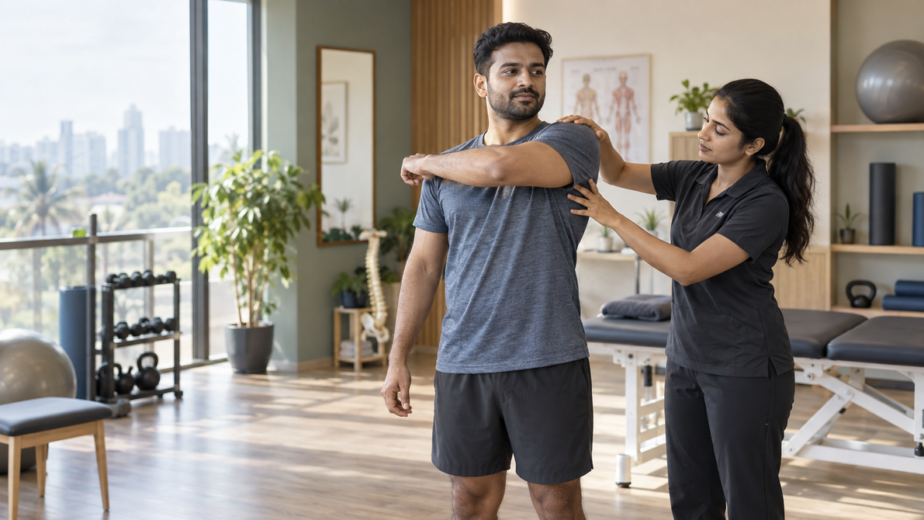
Compression Boots for Recovery: Do They Really Help Tired Legs?
A practical guide to how recovery boots work, what the evidence suggests, and when to seek professional advice.
After functional training, running, dancing or spending long hours standing, the legs may feel heavy, tight or fatigued. Compression Boots have become a popular recovery option for athletes and active individuals, but what do they actually do? Here is what you should know before trying a session.
What Are Compression Boots?
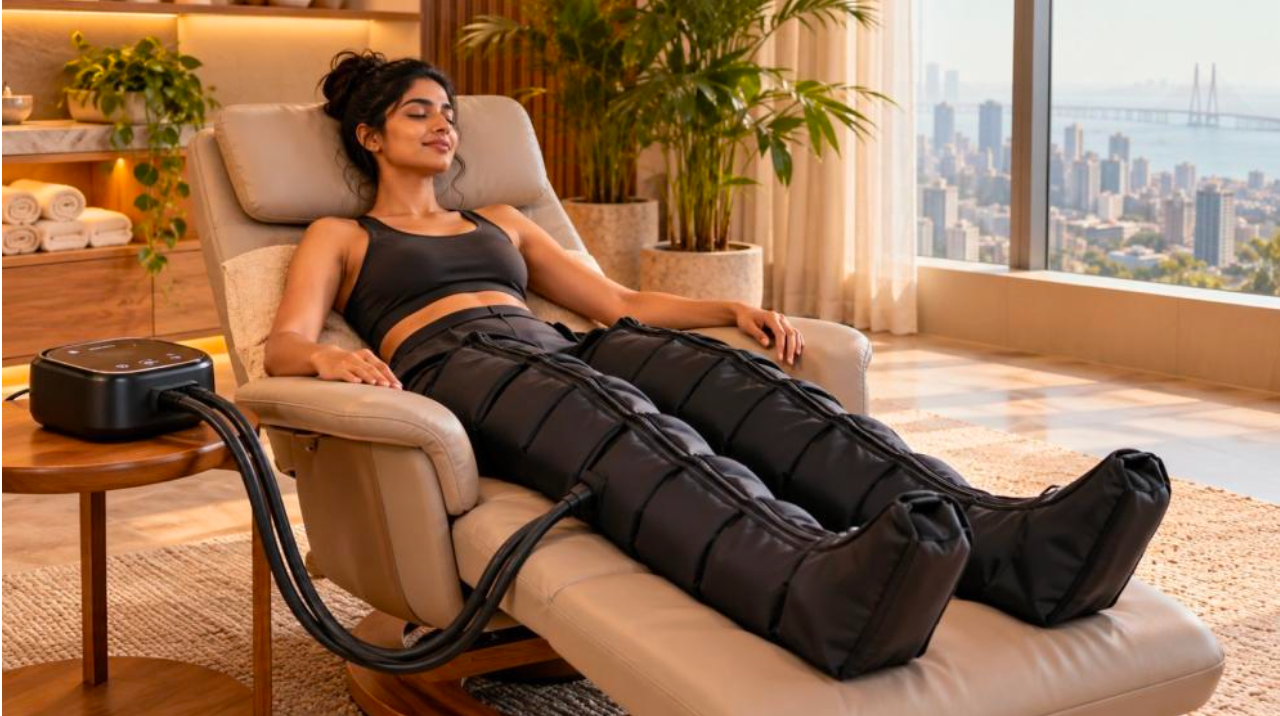
Compression Boots are wearable sleeves that cover the feet, calves and thighs. They use intermittent pneumatic compression, meaning different chambers inside the boots repeatedly inflate and deflate.
The pressure generally moves sequentially from the feet upwards, creating a rhythmic squeezing sensation. Similar technology has long been used in medical environments, although medical applications and wellness recovery sessions are not the same.
What Does a Session Feel Like?
Once the boots are secured around both legs, they gradually fill with air. You may feel:
- Pressure beginning around the feet
- A wave-like squeeze moving up the legs
- Alternating inflation and release
- Gentle firmness around the calves and thighs
- A feeling of relaxation or lightness afterwards
The pressure should feel firm but comfortable. It should not cause sharp pain, burning, pins and needles or complete numbness. At Samyah Wellness, the intensity can be adjusted according to your comfort.
Why Do People Use Compression Boots?
People commonly explore Compression Boots after:
- Functional training or strength workouts
- Running, endurance exercise or sports competitions
- Dance or Garba sessions
- Long-distance travel
- Spending several hours standing
- Temporary leg fatigue or soreness
They may also be used as a passive recovery option when someone wants to rest without taking an ice bath or using heat-based therapies.
Do Compression Boots Improve Recovery?
Research on Compression Boots for sports recovery is still developing. A 2024 systematic review found that intermittent pneumatic compression may provide small benefits for muscular function and may help reduce perceived pain or soreness. However, results differed across studies, and the evidence did not show dramatic improvements in every recovery measure.
A later review found insufficient evidence to conclude that Compression Boots are consistently better than other recovery methods. A realistic expectation is that they may help some people feel more relaxed and experience less heaviness or soreness. They should not be promoted as a guaranteed performance enhancer or a cure for injury.
Can Compression Boots Prevent Blood Clots?
Intermittent pneumatic compression is used in hospitals to help reduce the risk of blood clots in certain patients. However, a wellness recovery session is not a substitute for medical treatment or a hospital-prescribed device.
If you have leg swelling, unexplained calf pain, warmth, redness or sudden breathing difficulty, do not book a recovery session. Seek medical attention because these may be signs of a serious condition. Compression Boots should not be used to self-treat a suspected blood clot.
How Long Is a Session?
A Compression Boots session at Samyah Wellness generally lasts approximately 20 minutes. The appropriate pressure depends on your comfort, health and previous experience. Higher pressure does not automatically create better recovery.
The boots should fit correctly, and the intensity must be reduced, or the session stopped if you experience pain, numbness or unusual discomfort.
Who Should Avoid Compression Boots?
Compression Boots may not be suitable if you have:
- A known or suspected deep-vein thrombosis
- Thrombophlebitis or pulmonary embolism
- Severe peripheral arterial or vascular disease
- Serious heart failure or pulmonary oedema
- Unexplained swelling in one or both legs
- Severe peripheral neuropathy or reduced sensation
Open wounds, burns, ulcers or active skin infections
A recent fracture or operation involving the legs
Significant leg deformity preventing a safe fit
An allergy to the equipment material
Severe pain of unknown cause
Medical clearance should be obtained if you have diabetes, cardiovascular disease, circulation problems, cancer, a recent operation or any condition affecting sensation in the legs. Incorrect fit or excessive pressure can potentially cause discomfort, skin injury or, rarely, nerve or pressure-related injury.
How Should You Prepare?
Before your appointment:
- Remain adequately hydrated
- Wear comfortable, lightweight clothing
- Inform the team about medical conditions and medication
- Mention any pain, swelling, numbness or skin concerns
- Avoid applying the boots over open wounds
- Remove bulky items from your pockets
- Avoid alcohol before the session
Compression Boots are generally worn over thin clothing rather than directly against bare skin.
Compression Boots vs Massage
Both may feel relaxing, but they work differently. Massage involves hands-on pressure that can be adapted to specific muscles and areas of tension. Compression Boots provide automated, rhythmic pressure around the legs.
Compression Boots may be suitable when you want a passive and consistent recovery experience. Massage may be more appropriate when you want focused work on particular muscles. Neither option should replace Physiotherapy when pain, injury, weakness or restricted movement is present.
Compression Boots at Samyah Wellness
At Samyah Wellness in Borivali West, Compression Boots are offered as part of our recovery services. The boots are fitted securely, the pressure is adjusted according to comfort, and the session is monitored.
We maintain realistic expectations. Compression Boots may help the legs feel relaxed and temporarily reduce the perception of heaviness or soreness, but they are not a medical cure.
To book a Compression Boots session at Samyah Wellness, WhatsApp 9222 132 132. Prior appointment is required.
Frequently Asked Questions
No. They should feel firm but comfortable. Inform the team immediately if you experience pain, burning, tingling or numbness.
Yes, many people use them after exercise as part of their recovery routine.
Unexplained swelling should first be assessed by a healthcare professional. Do not use Compression Boots to self-treat it.
A session at Samyah Wellness generally lasts approximately 20 minutes.
Frequency depends on your health, activity and recovery requirements. More frequent use is not automatically more beneficial.